The 2026 Document Tracking Landscape: Winners, Losers, and New Alternatives
Document tracking has quietly become a critical part of modern sales, marketing, and business development workflows. In 2026, it’s no longer just about knowing if someone opened your PDF. Teams want to understand who viewed what, for how long, and what to do next—without paying enterprise prices or dealing with bloated platforms.
This shift has reshaped the entire document tracking market. Some tools have doubled down on intelligence and usability. Others are struggling with rising prices, feature creep, or products that haven’t evolved with how teams actually work today.
Let’s take a clear-eyed look at the winners, losers, and new alternatives defining the document tracking landscape in 2026—and what it means if you’re choosing a tool this year.
Why Document Tracking Matters More in 2026

Remote work, async selling, and shorter attention spans have changed how documents are used. Proposals, pitch decks, pricing PDFs, and onboarding docs are often viewed without a meeting or follow-up call.
That creates a familiar problem:
In 2026, guessing is no longer acceptable. High-performing teams expect real-time document engagement analytics, secure sharing, and signals that help them act at the right moment—not days later.
What “Good” Document Tracking Looks Like in 2026
Before naming winners and losers, it’s worth defining what modern teams actually expect.
In 2026, strong document tracking tools share a few common traits:
Real-time engagement data (views, time spent, repeat opens)
Actionable insights, not just raw numbers
Secure sharing (passwords, email verification, link expiry)
Simple setup with minimal onboarding
Reasonable pricing for small and mid-sized teams
Tools that miss more than one of these signals are starting to feel dated.
The Winners: Platforms That Adapted and Evolved
These tools continue to perform well in 2026 because they’ve adapted to new buyer behavior and expectations.
DocSend
DocSend remains one of the most recognizable names in document tracking. Its analytics are reliable, security features are solid, and it’s deeply embedded in many enterprise workflows.
Why it’s still winning:
Where it struggles:
Pricing continues to rise
Overkill for small teams and solo founders
Feature-heavy UI for simple use cases
DocSend wins in enterprise environments—but it’s increasingly hard to justify for lean teams that just want to track proposals and follow-ups.
PandaDoc
PandaDoc has leaned into document automation and e-signatures, making it a strong fit for sales teams that want everything in one place.
Why it’s winning:
Trade-offs:
PandaDoc wins when documents are part of a bigger sales ops machine—but not everyone needs that machine.
The Losers: Tools That Failed to Keep Up
Not every document tracking platform has aged well. Some are still functional—but increasingly misaligned with how teams work in 2026.
Generic File Sharing Platforms
Tools like basic cloud storage links were never built for sales or engagement tracking.
Why they’re losing relevance:
No real document analytics
Limited visibility into viewer behavior
Weak access controls for sensitive content
They’re fine for storage—but poor substitutes for sales document tracking software.
Legacy Tracking Tools With Minimal Innovation
Some older tools still offer “open notifications” but haven’t evolved beyond that.
Common issues include:
Delayed or unreliable tracking
No insight beyond “opened once”
Clunky dashboards
Pricing that no longer matches value
In 2026, teams expect intelligent document sharing, not checkbox features from 2019.
The New Alternatives: Leaner, Smarter, More Affordable
This is where the market gets interesting. A new wave of tools is challenging legacy platforms by focusing on clarity, affordability, and actionable insights.
Copi
Copi represents a growing category of modern document tracking alternatives built specifically for small teams, founders, and revenue-focused workflows.
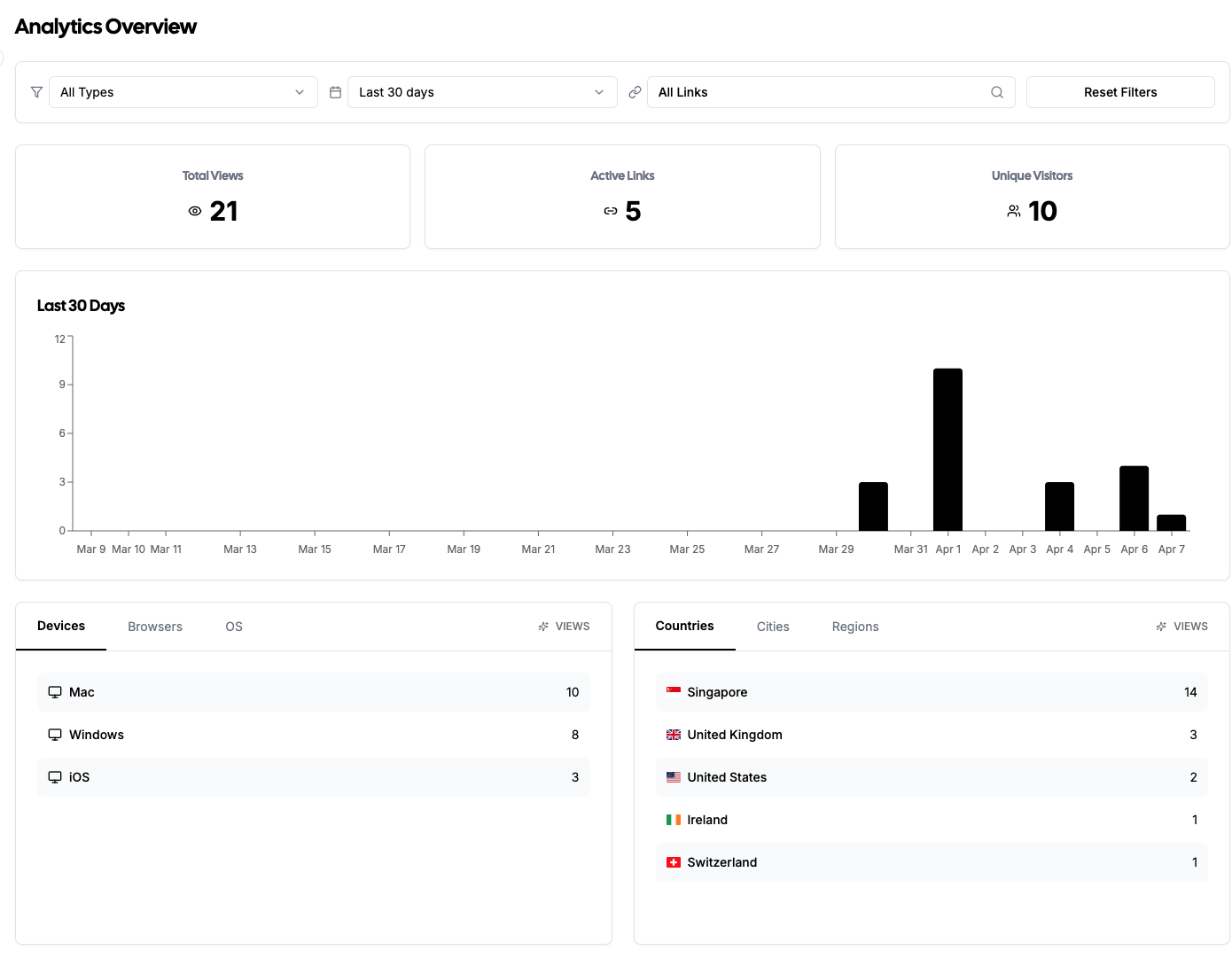
Instead of trying to do everything, Copi focuses on what matters most:
Knowing who viewed your content
Understanding how engaged they were
Sharing documents securely and simply
Why tools like Copi are gaining ground in 2026:
Clean, distraction-free experience
Real-time document engagement analytics
Security features like password protection and link expiry
Pricing designed for SMBs, not enterprises
This shift reflects a broader trend: teams want insight and control without enterprise bloat.
Lightweight “DocSend Alternatives” on the Rise
Beyond Copi, the market is seeing more tools that position themselves as:
Affordable DocSend alternatives
Proposal tracking software without contracts
Simple link tracking for sales teams
They’re not trying to replace entire sales stacks. They’re solving one problem well: tracking engagement so teams can follow up intelligently.
How Buyers Are Choosing Document Tracking Tools in 2026
The buying conversation has changed.
Instead of asking:
“What has the most features?”
Teams now ask:
Can I set this up in minutes?
Will it tell me when to follow up?
Is it secure enough for proposals and pricing?
Does the price make sense for my team size?
This mindset is driving adoption away from bloated platforms and toward focused, affordable tools.
Security Is No Longer Optional
In 2026, document tracking without security is a deal-breaker.
Baseline expectations now include:
Newer tools are building these in by default, while older platforms often lock them behind higher tiers.
The Big Trend: From Tracking Data to Tracking Intent
Perhaps the biggest shift in the 2026 document tracking landscape is intent.
Teams don’t just want metrics. They want signals like:
A prospect reopening a proposal multiple times
Long time spent on pricing pages
Engagement patterns that suggest buying interest
The winners in 2026 are the tools that turn document analytics into clear next steps, not just dashboards.
Who Should Use Which Type of Tool?
Large enterprises: Still well-served by platforms like DocSend or PandaDoc
SMBs and sales teams: Increasingly choosing lighter, purpose-built tools
Founders and solo operators: Prioritizing affordability, speed, and clarity
There’s no single “best” tool anymore—only the best fit for how you work.
Final Thoughts: The Document Tracking Market Is Growing Up
The document tracking landscape in 2026 is more mature—and more fragmented—than ever.
Enterprise tools still dominate at the top. But the fastest growth is happening among new alternatives that respect users’ time, budgets, and real-world workflows.
If you’re evaluating document tracking software this year, the key isn’t choosing the biggest name. It’s choosing the tool that helps you:
In 2026, that combination—not feature count—is what separates the winners from the rest.
